When the winter chill sets in, our bodies naturally crave extra support to stay resilient — and for centuries, cultures around the world have turned to nature’s elaborate pharmacy for help. Today, modern science is catching up, confirming the powerful immune-boosting benefits of many traditional herbs and adaptogens used by our ancestors in many different cultures1. To strengthen and protect immunity in the winter – whether or not you live in a cold climate – seasonal botanical heroes like elderberry, astragalus, turmeric, ginger, clove, pomegranate, and garlic, can transform a winter wellness routine. The best part? They can be easily woven into daily nutrition!
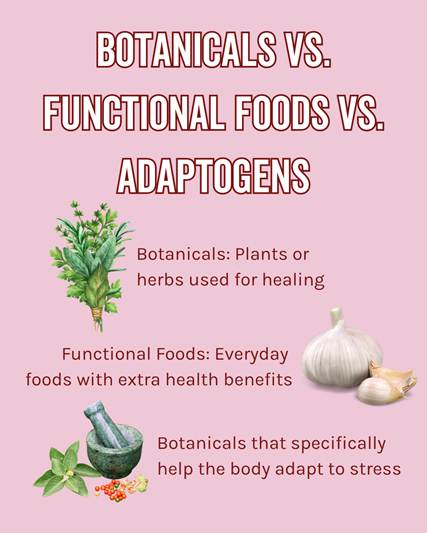
Botanicals, functional foods, and adaptogens are all natural powerhouses that support our health by playing slightly different roles. Botanicals refer to a broad group of plants or plant extracts used for their therapeutic properties such as cloves with their antibacterial eugenol or pomegranate and elderberry bursting with antioxidants in support of immune cells (1,5,6,7). Functional foods are everyday foods that offer health benefits beyond basic nutrition. Turmeric, ginger, and garlic, for example, are common kitchen staples rich in anti-inflammatory compounds that promote immune wellness (1,2,3,4). Adaptogens are a special class of botanicals, like astragalus, said to be prized for their ability to help the body adapt to stress and maintain balance, often by modulating immune response (1,8,9). Together, these natural allies work together to create a diverse and natural toolkit for strengthening immunity during the winter months.
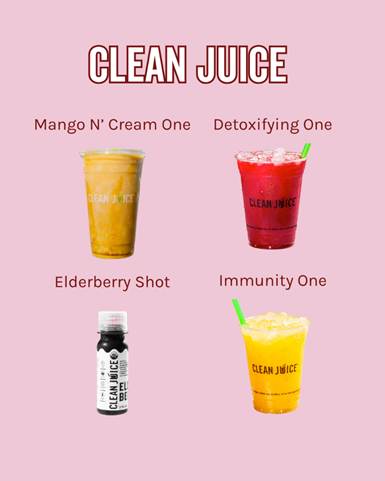
At Clean Juice, you can add turmeric or ginger to any of your smoothies or juice blends (if it isn’t already part of the recipe!). A few of our menu items that include these ingredients are:
- Mango N’ Cream One smoothie: Mango, banana, coconut cream, cinnamon, turmeric, almond milk, honey, vanilla, adaptogen blend
- Immunity One juice: Orange, carrot, pineapple, turmeric, lemon
- Wake Up One juice: Orange, lemon, ginger
- Detoxifying One juice: Beet, cucumber, apple, celery, ginger
- Energy One juice: Beet, apple, orange, celery, carrot, ginger
- Ginger-Aid One juice shot: Ginger, apple, lemon
- Metabolic Booster One juice shot: Apple, lemon, ginger, cayenne
The golden glow of turmeric and the spicy warmth of ginger have long been staples in Ayurvedic and other healing traditions. Their bioactive compounds, curcumin (where turmeric gets its color) and gingerol (what gives ginger its spicy flavor), are celebrated in clinical studies for powerful anti-inflammatory and immune-supportive effects (2,3). A smoothie or juice blending these zesty roots with fresh citrus can be both comforting and invigorating for an immune system.
Garlic is another powerful functional food. Garlic’s reputation as a natural antibiotic dates back thousands of years in cultures worldwide. Modern research confirms its ability to boost immune function and combat pathogens, thanks to its sulfur-containing compound, allicin 4. Important fact: You need to crush or cut garlic to activate the allicin! This can also be done by chewing. A hint of garlic in savory juices or wellness shots can be a powerful, yet tasty, ally. Rule of thumb, aim forone to two raw garlic cloves daily. There are many other functional foods you can add into your diet such as one large citrus orange, one large cup of blueberries, and foods rich in pre and probiotics that can have positive effects to immunity.
Besides functional foods, botanicals have been widely studied for their ancient uses and benefits. generations, elderberries have been a go-to remedy in European folk medicine to fight colds and the flu. Packed with antioxidants and flavonoids, elderberry, the dark purple berry from the European or black elder tree extracts are now shown to reduce the duration and severity of respiratory infections5. You could even add the Elderberry shot to a smoothie for extra nutrition! Imagine a vibrant elderberry smoothie, rich in deep purple hues and bursting with immune-strengthening goodness. At Clean Juice, we offer out Elderberry wellness shots year-round!
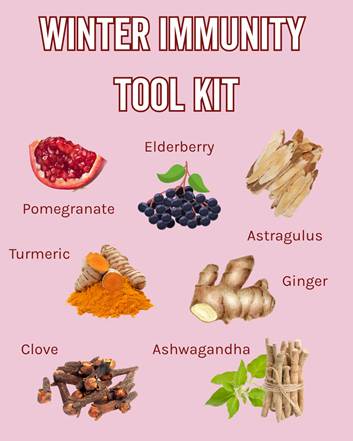
Clove, a warm and aromatic spice, has been prized in traditional medicine for their antibacterial and antiviral properties. Rich in eugenol, cloves can help fight inflammation and support your immune defenses, making them a perfect warming addition to winter blends6. A clove, banana, and date smoothie would be divine! Pomegranate, often called a superfruit, has been cherished since ancient times for its rich antioxidant content, which helps protect immune cells from damage. It contains many active compounds that contribute to health such as punicic acid, ellagic acid, and other ellagitannins7. They are also rich in other bioactive compounds like phenolic acids, falvanoids, and anthocyanins, and sterols which help give the fruit its deep color7. Vibrant jewel-like seeds add not only a burst of flavor but also a potent nutritional punch to any juice or smoothie. There are so many other botanicals used for health benefits such as hibiscus, oregano, and milk thistle; however, elderberry, clove, and pomegranate are exceptional in the winter!
Lastly, adaptogens, which help our bodies adapt and build resilience against stress. It is commonly known these days that elevated stress can weaken the immune system. Astragulus is an adaptogen widely used in Traditional Chinese Medicine for thousands of years to enhance vitality and protect against environmental stressors8. Research today highlights its role in stimulating white blood cell production and modulating immune responses, perfect for keeping your defenses balanced during winter challenges8. Ashwagandha is another popular adaptogen for combating stress by balancing the HPA axis and soothing the nervous system9. It does this by helping to lower cortisol levels which in turn protects the immune system from oxidative stress9. There are dozens of other famous adaptogens such as ginseng, rhodiola, holy basil, and eleuthero.
Winter doesn’t have to be a season of feeling run-down or reactive… It can be a time of intentional nourishment and proactive wellness. Across generations and continents, people have turned to botanicals, functional foods, and adaptogens not only to support immunity, but to restore balance and resilience in the body1. Nature offers powerful tools for protection and vitality. At Clean Juice, we’re proud to offer these timeless ingredients into your daily routine — through juices, smoothies, and wellness shots. Whether you’re sipping on elderberry, blending in turmeric, or adding a kick of ginger, you’re tapping into something far deeper than a health trend! You’re honoring ancient practices that help us thrive through the seasons. Here’s to a winter of strength, warmth, and plant-powered immunity.
Sources:
- Petrovska BB. Historical review of medicinal plants’ usage. Pharmacogn Rev. 2012 Jan;6(11):1-5. doi: 10.4103/0973-7847.95849. PMID: 22654398; PMCID: PMC3358962.
- Sharifi-Rad J, Rayess YE, Rizk AA, Sadaka C, Zgheib R, Zam W, Sestito S, Rapposelli S, Neffe-Skocińska K, Zielińska D, Salehi B, Setzer WN, Dosoky NS, Taheri Y, El Beyrouthy M, Martorell M, Ostrander EA, Suleria HAR, Cho WC, Maroyi A, Martins N. Turmeric and Its Major Compound Curcumin on Health: Bioactive Effects and Safety Profiles for Food, Pharmaceutical, Biotechnological and Medicinal Applications. Front Pharmacol. 2020 Sep 15;11:01021. doi: 10.3389/fphar.2020.01021. PMID: 33041781; PMCID: PMC7522354.
- Anh NH, Kim SJ, Long NP, Min JE, Yoon YC, Lee EG, Kim M, Kim TJ, Yang YY, Son EY, Yoon SJ, Diem NC, Kim HM, Kwon SW. Ginger on Human Health: A Comprehensive Systematic Review of 109 Randomized Controlled Trials. Nutrients. 2020 Jan 6;12(1):157. doi: 10.3390/nu12010157. PMID: 31935866; PMCID: PMC7019938.
- Ansary J, Forbes-Hernández TY, Gil E, Cianciosi D, Zhang J, Elexpuru-Zabaleta M, Simal-Gandara J, Giampieri F, Battino M. Potential Health Benefit of Garlic Based on Human Intervention Studies: A Brief Overview. Antioxidants (Basel). 2020 Jul 15;9(7):619. doi: 10.3390/antiox9070619. PMID: 32679751; PMCID: PMC7402177.
- Wieland LS, Piechotta V, Feinberg T, Ludeman E, Hutton B, Kanji S, Seely D, Garritty C. Elderberry for prevention and treatment of viral respiratory illnesses: a systematic review. BMC Complement Med Ther. 2021 Apr 7;21(1):112. doi: 10.1186/s12906-021-03283-5. PMID: 33827515; PMCID: PMC8026097.
- Pandey VK, Srivastava S, Ashish, Dash KK, Singh R, Dar AH, Singh T, Farooqui A, Shaikh AM, Kovacs B. Bioactive properties of clove (Syzygium aromaticum) essential oil nanoemulsion: A comprehensive review. Heliyon. 2023 Nov 30;10(1):e22437. doi: 10.1016/j.heliyon.2023.e22437. PMID: 38163240; PMCID: PMC10755278.
- Zarfeshany A, Asgary S, Javanmard SH. Potent health effects of pomegranate. Adv Biomed Res. 2014 Mar 25;3:100. doi: 10.4103/2277-9175.129371. PMID: 24800189; PMCID: PMC4007340.
- Zheng Y, Ren W, Zhang L, Zhang Y, Liu D, Liu Y. A Review of the Pharmacological Action of Astragalus Polysaccharide. Front Pharmacol. 2020 Mar 24;11:349. doi: 10.3389/fphar.2020.00349. PMID: 32265719; PMCID: PMC7105737.
- Mikulska P, Malinowska M, Ignacyk M, Szustowski P, Nowak J, Pesta K, Szeląg M, Szklanny D, Judasz E, Kaczmarek G, Ejiohuo OP, Paczkowska-Walendowska M, Gościniak A, Cielecka-Piontek J. Ashwagandha (Withania somnifera)-Current Research on the Health-Promoting Activities: A Narrative Review. Pharmaceutics. 2023 Mar 24;15(4):1057. doi: 10.3390/pharmaceutics15041057. PMID: 37111543; PMCID: PMC10147008.

Monday, Sept. 29 is National Coffee Day. To celebrate, many coffee shops are giving away free coffee and have bargains on coffee drinks and specials on coffee and machines to make drinks at home.
Coffee prices may be rising, but the pick-me-up remains a daily ritual for two-thirds of Americans. With National Coffee Day brewing on Monday, Sept. 29, many coffee shops will be serving up freebies and specials for those who love coffee.
Coffee’s popularity remains secure with 66% of Americans saying they drink at least one cup daily, up nearly 7% from 2020, according to a survey from the National Coffee Association, released ahead of National Coffee Day. Most coffee drinkers consume more – about 2.8 cups daily – according to a survey of 1,862 U.S. adults conducted in June 2025 for the group by Dig Insights.
While grabbing coffee on the run remains high – 36% of coffee drinkers consume the beverage away from home – most (82%) had the beverage at home over the past day, the survey found.
“Coffee’s staying power as a beloved touchstone in Americans’ daily lives is remarkable, and its contributions to our health and our economy give Americans even more ‘grounds for celebration’ this National Coffee Day and every day,” said National Coffee Association president and CEO Bill Murray in the survey’s news release.
(more…)

Tim Tebow
In celebration of National Smoothie Day, the former NFL player visits Clean Juice to order his favorite custom organic smoothie.
View the full list from E! News Here.
FIBERMAXXING
We’ve all had those days… feeling sluggish, bloated, or constantly hungry no matter how much we eat. While it’s easy to blame it on stress or a busy schedule, one often-overlooked culprit is a lack of fiber. Despite being essential for overall wellness, fiber is something most people aren’t getting enough of (1). It’s not just about keeping things “regular”… fiber helps to support heart health, gut health, weight management, and can even help to stabilize blood sugar levels (1). The good news? Adding more fiber to your day is easier than you might think, especially with the help of places like Clean Juice!
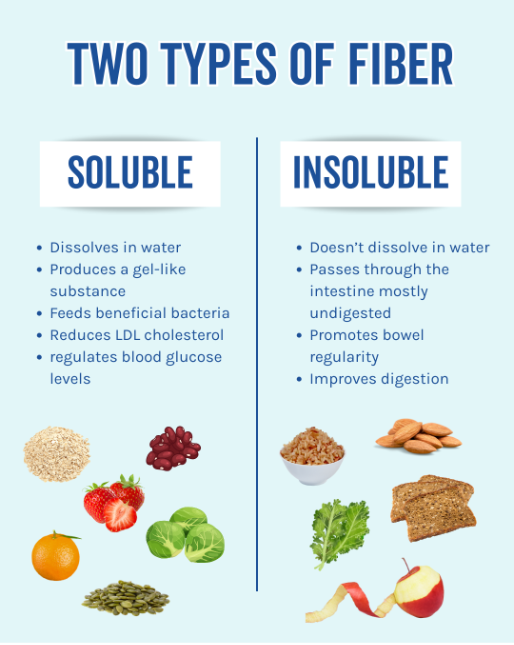
Fiber is a type of carbohydrate found in plant-based foods that your body can’t fully digest (2). Unlike other carbs that break down into sugars, fiber passes through your digestive system mostly intact, helping to keep things moving and supporting gut health (3). There are two main types: soluble fiber, and insoluble fiber.
Soluble fiber is a type of dietary fiber that dissolves in water and forms a gel-like substance in the digestive tract. This unique property helps slow down digestion, which can help to stabilize blood sugar levels and lower cholesterol, particularly LDL cholesterol (1). Soluble fiber also helps to support gut health by feeding beneficial gut bacteria, acting as a prebiotic (3). You can find it in foods like oats, apples, citrus fruits, carrots, peas, flaxseeds, and legumes such as beans and lentils (1). Including more soluble fiber in your diet can support heart health, improve digestion, and help you feel fuller longer, making it a powerful ally kicking cravings, snacking, and supporting overall wellness (1).
Insoluble fiber is the type of dietary fiber that does not dissolve in water (1). Instead, it adds bulk to stool and helps food move more efficiently through the digestive system, helping to promote regularity and ideally helping to prevent constipation (3). While it doesn’t directly impact cholesterol or blood sugar like soluble fiber, its role in supporting a healthy, functioning gut is essential. Insoluble fiber is found in foods like whole wheat, brown rice, nuts, seeds, and the skins of fruits and vegetables (1). It acts almost like a broom for your digestive tract, keeping things flowing and helping to reduce the risk of inflammatory bowel disorders (3). For optimal health, it’s important to include both insoluble and soluble fiber sources in your daily diet (2).
For people eating the Standard American Diet (SAD), a dietary pattern characterized by high consumption of processed foods, refined grains, high-fat dairy, and red and processed meats, and low consumption of fruits, vegetables, and whole grains, most will consume around 10 to 15 grams of fiber daily (2). That may sound like a lot, but in reality, it’s only half of what we actually need. The recommended daily intake of fiber, according to the FDA, is categorized by age and gender (1):
- Women under 50: 25 to 28 grams per day
- Men under 50: 31 to 34 grams per day
- Women 51 and older: 22 grams per day
- Men 51 and older: 28 grams per day
There’s often confusion about which foods are actually rich in fiber, so let’s clear that up. Fiber is found in plant-based foods like fruits, vegetables, nuts, seeds, beans, lentils, and whole grains. In contrast, animal proteins such as chicken, fish, beef, seafood, and eggs contain no fiber at all. Processed foods and baked goods – like chips, pastries, and snack bars – typically contain only 1 to 2 grams of fiber per serving, making them a poor source, especially since there are other ingredients in those food items such as sugar and seed oils (2). While some fiber may be present in the typical American diet, it often comes from less nutritious sources. To truly boost your fiber intake, the best choice is whole, plant-based foods.
To put this into perspective, one cup of raspberries has 8 grams of fiber, one cup of carrots contains 3.6 grams of fiber, one tablespoon of chia seeds contains 4 grams of fiber, and half a cup of beans contains about 7 grams of fiber. On the other hand, many highly processed foods fall short when it comes to fiber. One cup of corn flake cereal contains 1 gram of fiber, one cup of potato chips has about 1.5 grams of fiber, and one slice of white bread contains about 0.8 grams of fiber (4).
The highest fiber options will be fruits, veggies, nuts, and seeds: These foods are higher in fiber than many other foods because fiber comes from the cell walls of plants, which these foods naturally contain in abundance. The thick plant cell structures provide both soluble and insoluble fiber, which our bodies can’t fully digest but are essential for digestion and overall health (1). Additionally, these foods are typically less processed and usually consumed in their most natural form, preserving their natural fiber content. Nuts and seeds are especially fiber-dense due to their fibrous outer coatings.
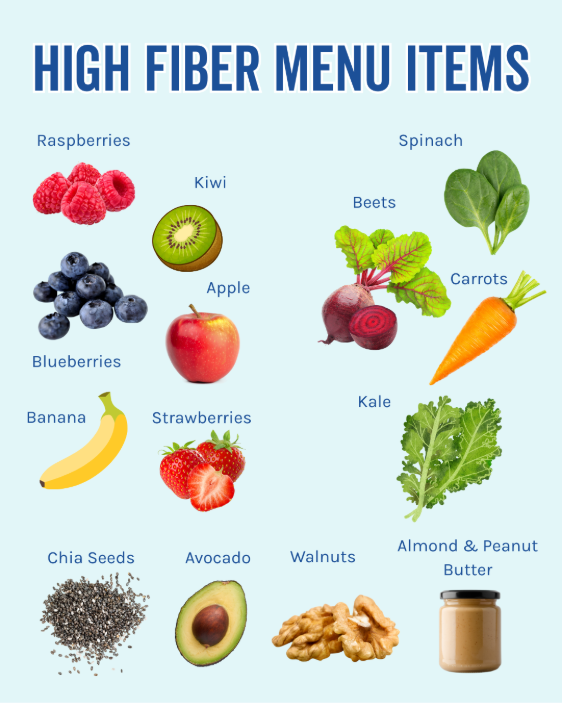
If you’re struggling to get your fiber intake up, kick cravings to the curbs, and support digestive health — “fibermaxxing” may be your new best friend. It’s not an official medical term, but the objective of fibermaxxing is to ensure you eat enough fiber on a daily basis. It’s all about building meals and snacks around fiber-rich foods like fruits, veggies, beans, lentils, seeds, nuts, and whole grains. The goal of fibermaxxing is to meet or exceed the recommended daily fiber intake while not “overdoing it.” A simple way to do this is by adding in more ingredients instead of taking some away. Some people achieve this by adding chia and flax seeds to smoothies and yogurt bowls, topping a salad with roasted chickpeas, or adding avocado to scrambled eggs. At Clean Juice some of our smoothies include up to 12 grams of fiber – For women and men under 50, that’s 48% to 32% of the recommended daily intake in just one drink!
Here is the ranking of our fibermaxxed smoothie blends by the amount of fiber in a 16 oz smoothie based on their stated ingredients on the menu:
Fiber Content (12g):
- Peanut Butter One
- Razzy One
- Sweetheart One
Fiber Content (9g):
- Mango N’ Cream One
- Mighty Mocha One (with hemp protein)
- Recharge One (with hemp protein)
- Pink Punch One
Fiber Content (8g):
- Recovery One
- Youthful One
- Chocolate One
- Evergreen One (with hemp protein)
- Feel Good One
Fiber Content (7g):
- Island One
- Electric One (with hemp protein)
Smoothies are an easy and delicious way to boost your fiber intake because they allow you to blend whole fruits, vegetables, nuts, seeds (and even grains if you desire) into one convenient drink. Unlike juices that remove most of the fiber by straining out the pulp, smoothies keep all the edible parts of the ingredients intact, preserving their natural fiber content. Adding ingredients like berries, spinach, chia seeds, almond butter, or oats can significantly increase the fiber content of your smoothie, making them a great option for busy people who struggle to eat enough fiber-rich foods throughout the day (4). Plus, blending makes it easier to digest and absorb nutrients, helping you feel fuller longer and supporting better digestion. By swapping out low-fiber processed snacks for fiber-packed smoothies, you can effortlessly begin fibermaxxing your diet and enjoy the health benefits that come with it.
In addition to getting your fiber fix at Clean Juice, there are some additional ways to get fibermaxxing! Snack on fruits, vegetables, nuts, seeds, and dips such as hummus and guacamole. At main meals, try to also incorporate two sources of fiber. This could be 1 cup of berries and half an avocado at breakfast time, carrot sticks and a handful of almonds at lunch time, and a serving of broccoli and brown rice at dinner. Keep the skin on your fruits and vegetables when eating them, especially if eating organic, but always remember to give them a wash! Lastly, swap refined grains from whole grains by switching from white bread, pasta, and rice for their whole grain versions like whole wheat bread, brown rice, quinoa, or barley. Be mindful that increasing fiber should be done slowly! Adding too much fiber into a body that is not used to it may cause digestive upset such as bloating, gas and even constipation (2). Remember, there can be too much of a good thing.
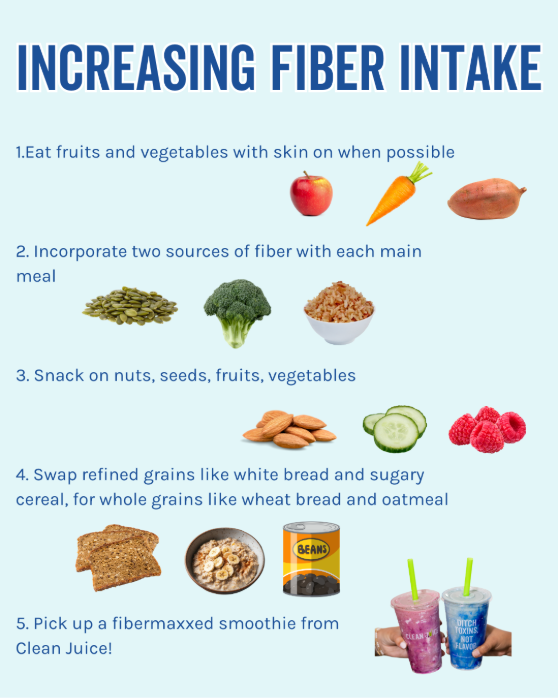
Increasing your fiber intake doesn’t have to be complicated! It’s all about making simple, consistent choices that add up over time. Whether through whole foods, snacks, or even a daily smoothie from Clean Juice, boosting fiber helps to support so many aspects of our health and overall well-being (1). Remember, both soluble and insoluble fibers play important roles in keeping your body running smoothly (1). Start small, stay mindful, and enjoy the benefits of a fibermaxxed diet.
Sources
- Akbar A, Shreenath AP. High Fiber Diet. [Updated 2023 May 1]. In: StatPearls [Internet]. Treasure Island (FL): StatPearls Publishing; 2025 Jan-. Available from: https://www.ncbi.nlm.nih.gov/books/NBK559033/
- U.S. Department of Health and Human Services. (2024, June 17). Rough up your diet. National Institutes of Health. https://newsinhealth.nih.gov/2010/08/rough-up-your-diet
- Fu J, Zheng Y, Gao Y, Xu W. Dietary Fiber Intake and Gut Microbiota in Human Health. Microorganisms. 2022 Dec 18;10(12):2507. doi: 10.3390/microorganisms10122507. PMID: 36557760; PMCID: PMC9787832.
Current dietary guidelines. Food Sources of Dietary Fiber | Dietary Guidelines for Americans. (n.d.). https://www.dietaryguidelines.gov/resources/2020-2025-dietary-guidelines-online-materials/food-sources-select-nutrients/food-sources-fiber

A bowl of fresh fruit is an absolute summer essential. Whether you’re lounging poolside, lakeside, or beachside, snacking on seasonal fruit offers the perfect combo of sweet satisfaction, refreshing relief, and natural hydration – all in one juicy bite. Ripe cherries, sweet peaches, and vibrant berries are popular fan favorites, but let’s not forget the most tropical standout of them all: pineapple!
Pineapple is often called the queen of fruits—and for good reason. Beyond its vibrant yellow color, tropical aroma, and juicy sweetness, pineapple is packed with powerful nutrients. National Pineapple Juice Day also happens to be this month!
Even more impressive? Pineapple contains bromelain, a unique enzyme which is said to be supportive of digestion and aid in the reduction of inflammation(1). The history of bromelain dates back to the ancient civilizations of South America, where the pineapple is native. Indigenous peoples, particularly in regions like the Amazon rainforest and the Caribbean, used various parts of the pineapple plant for medicinal purposes (1,5). It’s a natural source of calcium, potassium, fiber, manganese, and vitamin C (1). Drinking pineapple juice not only hydrates the body but also may help replenish essential nutrients, especially during hot summer days (1). Nature has always provided us with remedies for wellness — sometimes they’re hiding in plain sight, right inside a golden slice of fruit.
At Clean Juice® , we’re big fans of pineapple, and even bigger fans of sharing its health benefits with our community. That’s why we created two limited-time summer blends that showcase this tropical superfruit in all its juicy glory!
- The Pineapple Breeze is a refreshing juice blend of pineapple, orange, lemon, and coconut water—it looks and tastes like a perfect summer sunset in a cup.
- The Ocean Waves Smoothie is a cool, creamy escape made with almond milk, banana, pineapple, vanilla, chia seeds, blue spirulina, honey and a coconut cream smear —like a tropical dip in the sea, but way more delicious.
Whether you’re chasing sunshine or just trying to stay cool, these summer drinks are your perfect sip of paradise and pineapple.

Now, let’s explore the benefits of pineapple on a deeper level, shall we?
Vitamin C, also known as ascorbic acid, is a water-soluble vitamin essential for a wide range of bodily functions. Just one cup of pineapple provides approximately 78 to 85 mg of vitamin C – about 88–105% of the daily recommended intake (90 mg for men, 75 mg for women) (1). As the body’s primary water-soluble antioxidant, vitamin C plays a key role in supporting a strong immune system (2). Vitamin C is also essential for the production of collagen, the protein that forms the structure of bones, blood vessels, cartilage, and skin(3). Collagen not only helps keep our skin looking youthful, glowy, and plump, but also helps keep our bodies resilient as we age (3). Beyond immunity and skin health, vitamin C plays a role in iron absorption and supports the body’s stress response. The adrenal glands, which help manage stress, rely on vitamin C to produce cortisol and other stress-related hormones (4). Adequate levels of vitamin C help maintain hormonal balance and may support a stable mood, partly by aiding in the production of key neurotransmitters like dopamine and norepinephrine, which influence motivation and mental clarity(4). In addition to its high content of vitamin C, pineapple is a great source of manganese, a trace mineral the body uses to build bone and connective tissues(4). One cup of pineapple provides 73% of the daily recommended amount of manganese (1). And to think…these benefits may be found in a delicious bowl of pineapple!
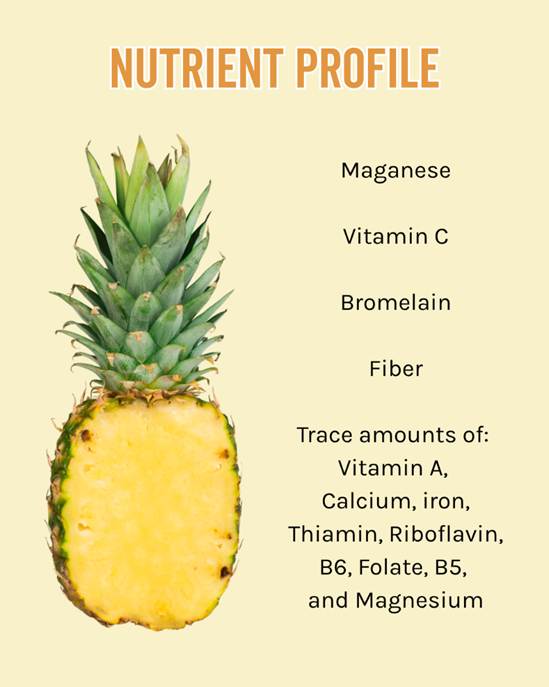
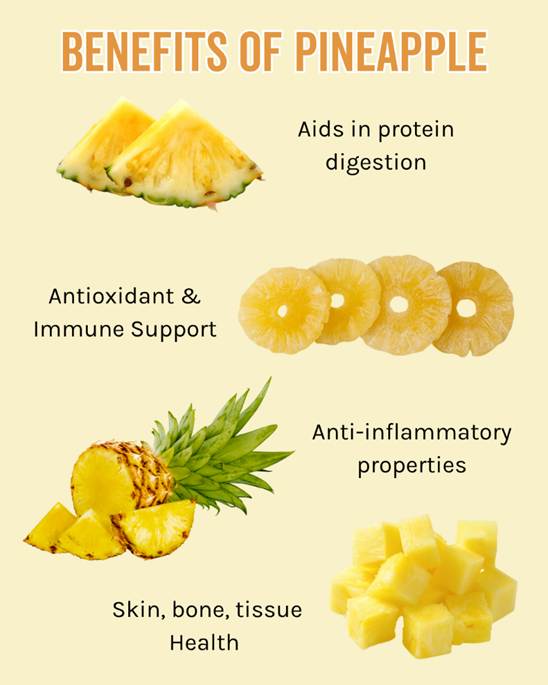
Pineapple’s superpowers don’t stop there! Bromelain is a complex mixture of proteolytic enzymes from the protease family that are said to support digestion—especially that of protein—by aiding in their breakdown and absorption in the gastrointestinal tract (1,5).
Pineapple can also be used as a natural meat tenderizer—perfect for dishes like chicken or steak al pastor! By assisting in breaking down protein into smaller building blocks, it works to improve the absorption of important amino acids through the digestive tract (5). This process not only may support better protein digestion, but also may help the body absorb more nutrients, contributing to overall wellbeing. Pineapple may also be effective in regulating bowel movements, as it is hydrating and rich in fiber with about 2.3g per one cup serving(1). Bromelain is usually found in the edible parts of the pineapple, however, commercially available bromelain supplements are usually derived from the stem(5).
The properties of bromelain in pineapple go beyond digestion – bromelain is also a powerful anti-inflammatory(5). Inflammation is the body’s natural response to injury or illness, but it can lead to discomfort, especially if it’s ongoing! This is where bromelain can shine. Research shows that bromelain may help reduce swelling, pain, and inflammation by inhibiting the production of certain inflammatory molecules, such as cytokines and prostaglandins(5). Cytokine and prostaglandin molecules play a central role in triggering and regulating inflammation in the body(5). By potentially reducing certain inflammatory molecules, bromelain may help shift the immune response toward a more anti-inflammatory state(5). In addition to its anti-inflammatory properties, bromelain may offer antioxidant benefits (5). It may help neutralize free radicals which are unstable molecules that can cause oxidative stress and damage to cells and tissues(5). Overall, bromelain is known to support happy cells and further, may contribute to reducing inflammation at a deeper level(5). Altogether, bromelain’s combined super powers make it a unique and valuable compound for supporting the body’s natural healing processes (5).
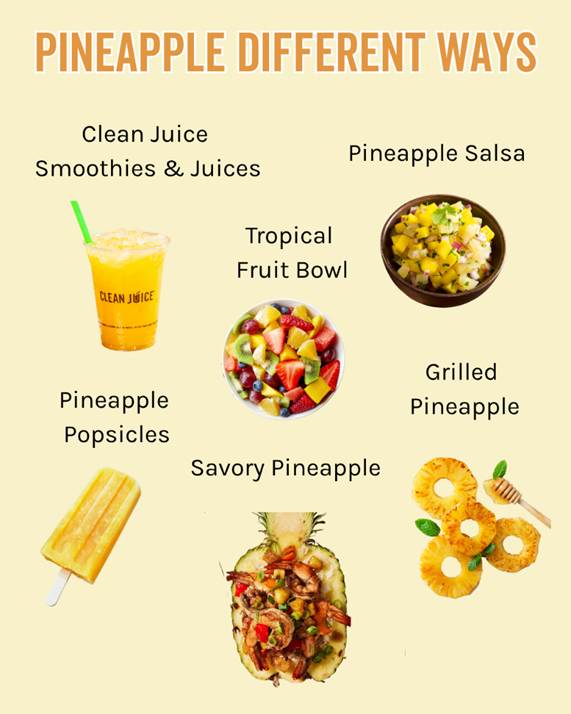
In addition to our limited time pineapple summer drinks, there are many other ways to enjoy the benefits of pineapple on the menu at Clean Juice! There are several juices, smoothies, and acai bowls available with this star ingredient.
Outside of Clean Juice – here are a few additional ways to enjoy pineapple!
- Pineapple Protein Popsicles: Blend pineapple with coconut or mango, collagen (or vanilla protein powder of choice), almond milk, and freeze in popsicle molds to enjoy on a hot day
- Pineapple Salsa: Dice it up with red onion, jalapeño, cilantro, and lime for a fresh, zesty salsa. Great on tacos, grilled fish, tortilla chips, or fresh cut veggies
- Grilled Pineapple: Grill fresh pineapple rings for a caramelized, smoky-sweet treat. Perfect as a side dish, burger topping, or even a healthy dessert with a sprinkle of cinnamon or a drizzle of honey
- Savory Pineapple Dishes: Add pineapple chunks to stir-fries, curries, or kebabs for a juicy pop of sweetness that balances savory flavors. This is great in dishes like homemade sweet & sour chicken or teriyaki bowls
- Summer Fruit Bowls: Cut up a pineapple, and your other favorite fruits – add them all to a big bowl with some fresh herbs like mint, basil or even lime zest
Pineapple isn’t just a tropical treat – it’s a densely-packed powerhouse with potential benefits that go far beyond its sweet taste. From supporting digestion and aiding in the reduction of inflammation to boosting immunity with its vitamin C properties and enhancing skin health through collagen, this vibrant fruit earns its title as the queen of fruits (1). Whether you’re sipping on a Clean Juice Pineapple Breeze juice, Ocean Waves smoothie, or enjoying it at home, there are endless ways to celebrate its flavor and function.
At Clean Juice, we love celebrating whole, vibrant ingredients like pineapple and making them easy and delicious to enjoy. However you slice it, pineapple is a refreshing reminder that nature offers some of the best tools for happiness, wellbeing and joy.
Sources:
- Md. Farid Hossain, Shaheen Akhtar, Mustafa Anwar. Nutritional Value and Medicinal Benefits of Pineapple. International Journal of Nutrition and Food Sciences. Vol. 4, No. 1, 2015, pp. 84-88. doi: 10.11648/j.ijnfs.20150401.22
- Pullar JM, Carr AC, Vissers MCM. The Roles of Vitamin C in Skin Health. Nutrients. 2017 Aug 12;9(8):866. doi: 10.3390/nu9080866. PMID: 28805671; PMCID: PMC5579659.
- Carr AC, Maggini S. Vitamin C and Immune Function. Nutrients. 2017 Nov 3;9(11):1211. doi: 10.3390/nu9111211. PMID: 29099763; PMCID: PMC5707683.
- Bettina Moritz, Ariana E. Schmitz, Ana Lúcia S. Rodrigues, Alcir L. Dafre, Mauricio P. Cunha. The role of vitamin C in stress-related disorders. The Journal of Nutritional Biochemistry. Volume 85. 2020. 108459. ISSN 0955-2863. https://doi.org/10.1016/j.jnutbio.2020.108459.
- Kansakar, U., Trimarco, V., Manzi, M. V., Cervi, E., Mone, P., & Santulli, G. (2024). Exploring the Therapeutic Potential of bromelain: Applications, Benefits, and Mechanisms. Nutrients, 16(13), 2060. https://doi.org/10.3390/nu16132060

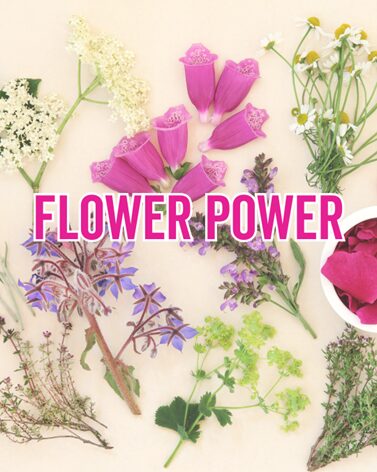
For centuries, flowers and herbs have been utilized for their powerful medicinal properties. Botanicals like chamomile, lavender, rose, hibiscus, dandelion, and calendula are just a few examples of florals packed with natural superpowers (1). At Clean Juice, we’re dedicated to promoting wellness, which is why we’re thrilled to introduce our latest creation—a brand-new smoothie launching this Spring on March 19th that is designed to harness the power of flowers!
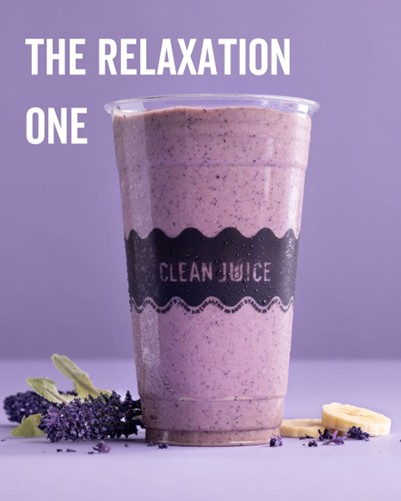
Introducing… (drum roll please!) “The Relaxation One” – the ultimate spring smoothie designed to promote the feeling of melting away your stress and boosting your well-being! This delicious blend of blueberries, lavender, banana, honey, avocado, almond milk, and collagen is specially crafted with the intent to promote feelings of calmness, mental clarity, and general relaxation.
Lavender, renowned for its calming properties, is more than just a fragrant flower—it’s a powerful herb with a long history of medicinal use. Its active compound, linalool, has been scientifically shown to have a direct calming effect on the central nervous system, helping to reduce anxiety and stress (3). The benefits of lavender don’t stop there—it is also known for having sedative properties and may improve sleep quality.
This smoothie also features ingredients like banana and avocado, both sources of magnesium—a mineral essential for maintaining a balanced nervous system (2). Magnesium has been shown to reduce anxiety, improve mood and sleep. Blueberries are known to support cognitive function, reduce oxidative stress, and elevate mood, while honey provides a natural source of sweetness that supports the body’s stress-response system. Collagen, a structural protein, rounds out this blend, supporting skin elasticity, hair, nails, and gut health (2). Together, these carefully selected ingredients, enhanced by the natural power of lavender, create “The Relaxation One”—a smoothie designed to help you enjoy a moment of peacefulness. You can order our flower power spring smoothie starting March 19th for a limited time in stores or online!
Let’s continue to celebrate flowers this spring, starting with chamomile. Possibly one of the more popular medicinal flowers, in ancient times, the traditional use of chamomile has been used to treat hormone imbalances, insomnia, ulcers, and anxiety (1). Today, the dried leaves of chamomile are often consumed in the form of a tea at bedtime to promote relaxation and a restorative night’s sleep. The active compound in chamomile is apigenin, a flavonoid that interacts with specific receptors in the brain that are associated with sleepiness and is therefore the main component responsible for chamomile’s calming effects (1).
Hibiscus is another admired medicinal flower. These flowers are large, trumpet-shaped, and come in many bright colors such as pink, red, orange, yellow, purple, or peach. Hibiscus tea is made up of the dried hibiscus petals or the calyx of the flowers, the part of the flower that contains the sepals, which are the small, green pieces that protect the flower bud. Both parts contain bioactive and functional components such as phenolic acids, flavonoids, anthocyanins, organic acids, and dietary fiber (4). These compounds may promote therapeutic effects such as regulating blood pressure and improving organ health (4). Hibiscus tea has a lovely fruity and naturally sweet flavor!
Calendula flowers grow in Europe, Western Asia, North Africa, the Mediterranean, and have a resemblance to colorful daisies. Through centuries, this botanical has shown outstanding health advantages by utilizing the whole flower including the green base and petals and flower heads. Active compounds in calendulas include flavonoids, carotenoids, terpenoids, and polysaccharides resulting in numerous benefits such as antioxidant activity, anti-inflammatory properties, and anti-viral and antimicrobial aid. Over the centuries, many cultures and medical systems have used calendula flowers to treat skin conditions by applying topically to wounds. It can also aid in digestion and support the body’s natural detoxification process and overall immune health. Calendula makes a delicate, soothing, and slightly sweet tea with a floral and comforting aroma (5).
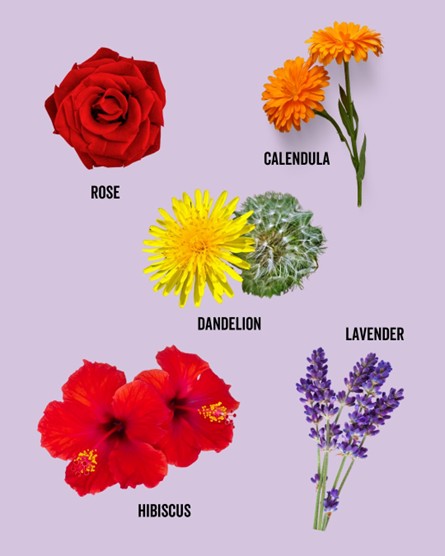
Dandelions, the ones that grow through cracks in sidewalks or on the sides of rolling hills with yellow petals or fluffy seed heads, have many medicinal qualities. The leaves, stem, and root contain many phytochemicals such as carotenoids, flavonoids, phenolic acid, polysaccharides, sterols, and triterpenes. These properties have shown to be diuretic, hepatoprotective, ant-inflammatory, immunoprotective, antiviral, antifungal, antibacterial, antiobesity, and antioxidant. Dandelion can be consumed as tea or an extract and has a toasty and sweet flavor. You can even buy the leaves in the produce section of the grocery store and cook them just like any other leafy green vegetable (6)
Roses symbolize romance, love, courage, and beauty, so it’s no surprise that the multiple functions seem to outweigh other medicinal flowers. The petals, hips, leaves and bark, can be used for medicinal purposes. Rose has been traditionally used as an herbal medicine for ailments such as stomach aches, pain, and chronic inflammatory diseases. Some say the fragrance of rose through aromatherapy may calm a stressed-out body and mind, improve sleep quality, and promote healing in hormonal imbalances in women causing pain. However, the most popular use today is anti-aging and skin care due to its potent antioxidant content that promotes collagen production, reduces the appearance of wrinkles and fine lines, hydrates skin, and maintains elasticity and plumpness, for a glowy appearance (7).
Clean Juice currently has a limited time juice that has Rose as an ingredient on our menu as well! “The Rosey and Bright One” is a delicious and sweet blend of apple, orange, lemon, beet, and rosewater. The fruits in this juice are natural sources of vitamin C. Available now for a limited time!

Flowers have long been admired for their beauty, but their value extends far beyond just aesthetics and symbolism. Packed with powerful phytochemicals, vitamins, and minerals, flowers are natural vessels of wellness and healing (1). At Clean Juice, we celebrate health in all its forms, embracing nature’s gifts to nurture the body and mind. This spring, we invite you to experience the therapeutic benefits of florals with our Lavender “Relaxation One” Smoothie and the vibrant, uplifting “Rosey and Bright One” Juice. Embrace the season and let the power of flowers enhance your well-being in every sip!
Wishing you a great spring!
The Clean Juice Family 😃
Disclaimer: These Statements have not been evaluated by the FDA. The information provided is for information purposes only and is not a substitute for medical advice. Clean Juice products are not intended to diagnose, treat, cure or prevent any disease. Please consult a qualified healthcare practitioner to determine your personal needs.
Sources:
- Coyago-Cruz E, Moya M, Méndez G, Villacís M, Rojas-Silva P, Corell M, Mapelli-Brahm P, Vicario IM, Meléndez-Martínez AJ. Exploring Plants with Flowers: From Therapeutic Nutritional Benefits to Innovative Sustainable Uses. Foods. 2023 Nov 8;12(22):4066. doi: 10.3390/foods12224066. PMID: 38002124; PMCID: PMC10671036.
- Aucoin M, LaChance L, Naidoo U, Remy D, Shekdar T, Sayar N, Cardozo V, Rawana T, Chan I, Cooley K. Diet and Anxiety: A Scoping Review. Nutrients. 2021 Dec 10;13(12):4418. doi: 10.3390/nu13124418. PMID: 34959972; PMCID: PMC8706568.
- Koulivand PH, Khaleghi Ghadiri M, Gorji A. Lavender and the nervous system. Evid Based Complement Alternat Med. 2013;2013:681304. doi: 10.1155/2013/681304. Epub 2013 Mar 14. PMID: 23573142; PMCID: PMC3612440.
- Montalvo-González E, Villagrán Z, González-Torres S, Iñiguez-Muñoz LE, Isiordia-Espinoza MA, Ruvalcaba-Gómez JM, Arteaga-Garibay RI, Acosta JL, González-Silva N, Anaya-Esparza LM. Physiological Effects and Human Health Benefits of Hibiscus sabdariffa: A Review of Clinical Trials. Pharmaceuticals (Basel). 2022 Apr 12;15(4):464. doi: 10.3390/ph15040464. PMID: 35455462; PMCID: PMC9033014.
- Shahane K, Kshirsagar M, Tambe S, Jain D, Rout S, Ferreira MKM, Mali S, Amin P, Srivastav PP, Cruz J, Lima RR. An Updated Review on the Multifaceted Therapeutic Potential of Calendula officinalis L. Pharmaceuticals (Basel). 2023 Apr 18;16(4):611. doi: 10.3390/ph16040611. PMID: 37111369; PMCID: PMC10142266.
- Di Napoli, A., Zucchetti, P. A comprehensive review of the benefits of Taraxacum officinale on human health. Bull Natl Res Cent 45, 110 (2021). https://doi.org/10.1186/s42269-021-00567-1
- Wang H. Beneficial medicinal effects and material applications of rose. Heliyon. 2023 Dec 10;10(1):e23530. doi: 10.1016/j.heliyon.2023.e23530. PMID: 38169957; PMCID: PMC10758878
Clean Juice is launching a brand-new, fresh-pressed juice, “The Rosey & Bright One” for a limited time. The juice is crafted with the beauty enhancing flower powers of rose water, orange juice, apple juice, lemon and beets. Grab your galentine or your sweetheart to receive a free fresh-pressed juice with purchase of The Rosey & Bright One on Feb. 13th – 14th. Rose water has been cherished for centuries in beauty and wellness routines, while orange juice offers vitamin C, apple juice brings a touch of sweetness, lemon adds a zing of freshness, and beets contribute an earthy richness and pop of color!
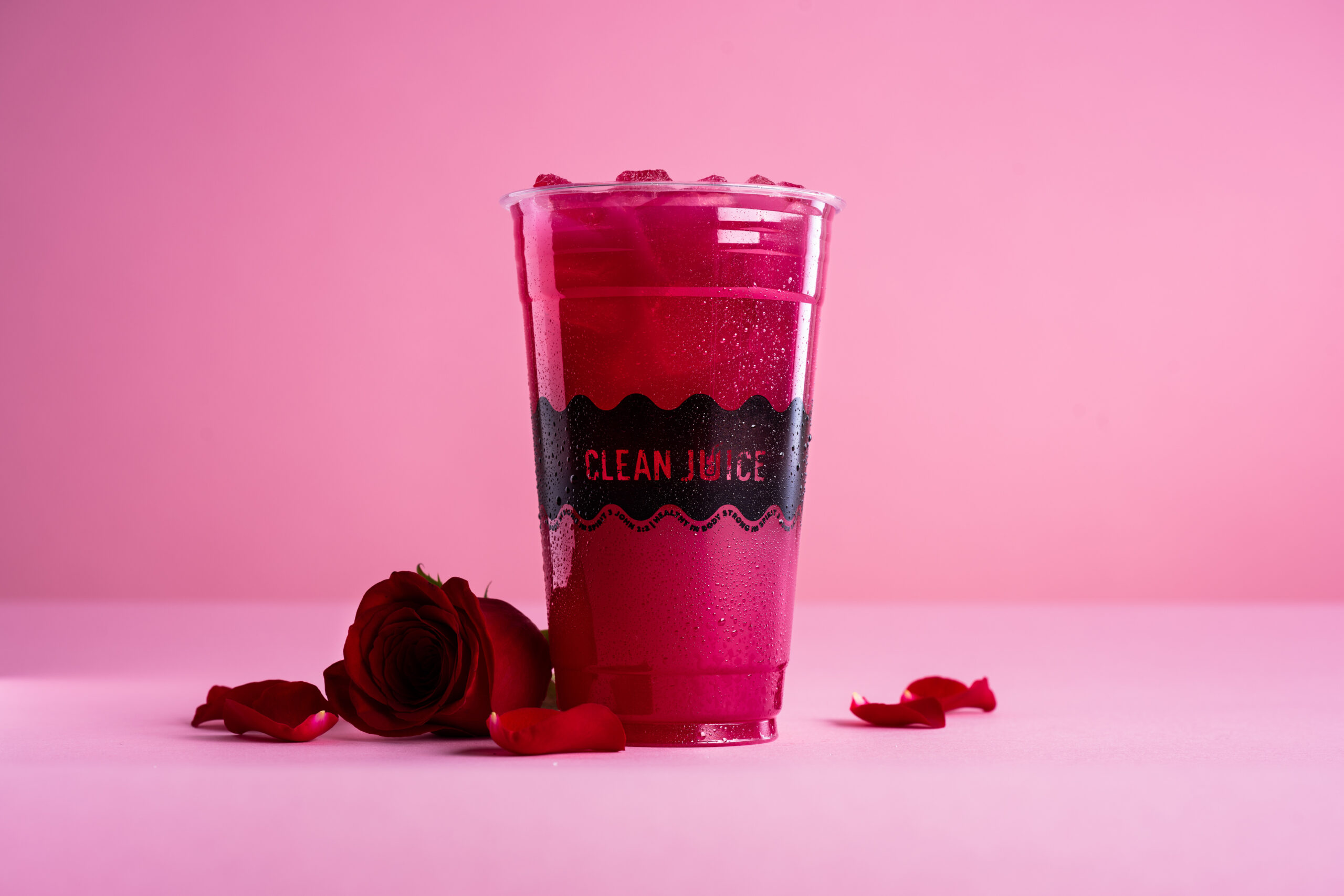
Celebrate love, health, and beauty with Clean Juice this Valentine’s season! This new offer highlights Clean Juice’s dedication to delivering innovative and organic beverages to help guests achieve their health goals. Don’t miss out on this innovative and delicious limited time offer, we’ll see you in stores!
Now… it would be difficult to imagine a Valentines celebration without a little bit of sugar and sweetness, right? That’s why our wellnes sblog topic this month is:
Natural Sugar for The Sweet Tooth!
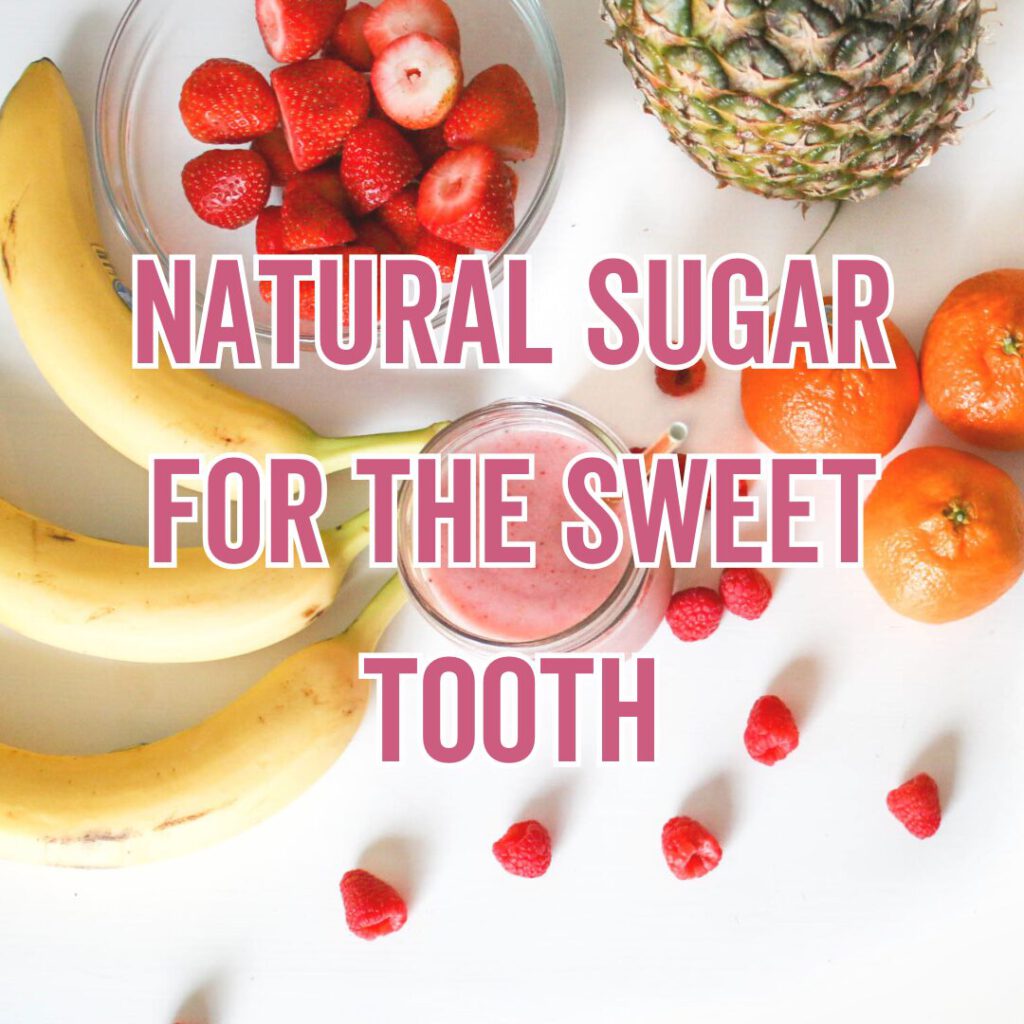
Here at Clean Juice, we recognize that most people have a sweet tooth… How can you not?
Ice cream or lemonade on a hot summers day, cookies at Christmas time, chocolates galore on Valentines Day, and fresh baked bakery items on Sunday mornings are just some of the most enjoyed sweets out there.
If only there was a way to enjoy sweetness without the negative impacts of excess refined sugar!
Well, Luckily… there are natural sweeteners readily available to help you get your sweet fix! Like fruit, aka, nature’s candy, and other sweeteners such as dates, honey, and maple syrup!
Here at Clean Juice we offer two delicious and naturally sweet Dessert Smoothies!
- The Banana Bread One: Almond milk, banana, cinnamon, vanilla, walnuts
- The Birthday Cake One: Almond milk, banana, vanilla, maple syrup

Fruits and natural sweeteners are incredibly versatile when it comes to creating flavor profiles. By combining natural and nutritious ingredients, we created these smoothies to hit the sweet spot. This is an excellent way to treat yourself, nourish yourself, and avoid any refined sugars or artificial sweeteners in the process.
All About Fruit Sugar, or Fructose:
Fruit contains natural sugars, which are a mix of sucrose, fructose and glucose. Eating whole fruits as opposed to foods with high-fructose corn syrup or refined sugars, is a better way to satisfy your sweet tooth (1). The excess sugar consumption that we should consider avoiding comes from foods and drinks that contain what are called “free sugars.” Free sugars include these same sugars (fructose, glucose, sucrose), but they have been removed from their naturally occurring source rather than being eaten as natural parts of fruits, dairy products, and some vegetables and grains (1). “Free sugars” would include sugar that is added to food and drinks by food manufacturers, cooks, or even consumers at home, like when you add sugar to your morning coffee.
Natural sweeteners such as maple syrup and honey are naturally occurring and therefore are not removed from their natural source. They also contain a lower glycemic index than refined sugar. Foods with a lower glycemic index typically cause a smaller increase in blood sugar levels, while foods with a higher glycemic index may cause spikes in blood sugar levels (2).
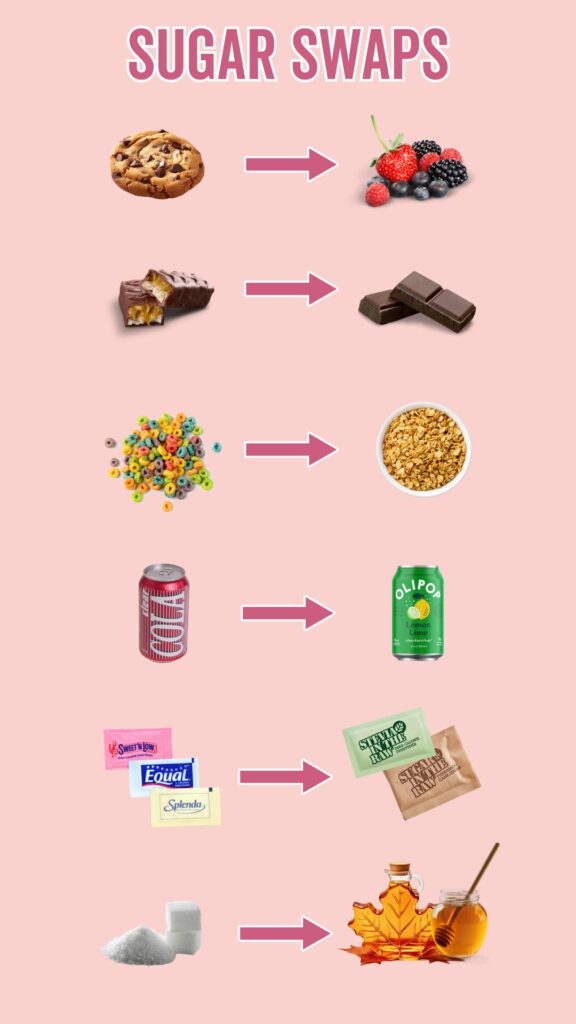
Here are some of our favorite tips for sugar swapping!
- Plain dark chocolate instead of milk chocolate or candy
- Fruit instead of cookies and desserts
- Granola and Oats instead of cereal
- Sparkling flavored water and stevia sweetened drinks instead of full-sugar sodas
- Honey, maple syrup, or stevia to sweeten coffee and tea
- Bananas, applesauce, dates, honey, and maple syrup to sweeten baked goods
About 15% of the calories in the standard diet of someone living in the United States come from “free” added sugars, about 22 teaspoons of added sugar a day. Sugar-sweetened beverages like soda, energy drinks, and sports drinks are some of the leading sources of added sugars in the American diet, with packaged sweets and candy coming in second (3).
The WHO and FDA recommend decreasing “free” sugar consumption to no more than 10% of daily calories, or about 12 teaspoons of added sugar a day. Functional medicine principles and the American Heart Association recommend decreasing this even further to about 6 teaspoons a day for women and 9 teaspoons a day for men (4).
One reason it may feel difficult to get a sweet tooth under control is because of cravings! Cravings for sweets and refined carbohydrates may increase during times of stress or heightened emotions. Sugar cravings can also be a message in disguise asking the body for more energy, or as a possible symptom of certain nutritional deficiencies. By decreasing refined carbohydrates and free sugars, and replacing them with fruits, complex carbohydrates, fiber, and protein, sugar cravings may reduce. Exercise and stress management may also be helpful! A study of 47 overweight sugary snack consumers found that a 15-minute brisk walk, when exposed to stress or sudden sugar cravings, may significantly reduce them both (5).
Here are some of our favorite tips for kicking sugar cravings!
- Brisk walks
- Gentle movement and deep breathing
- Increase protein and fiber at each meals
- Snack on fruits, vegetables, nuts, and seeds
- Increase water intake
- Improve sleep hygiene and quality
Life is meant to be sweet! Reducing refined sugar doesn’t have to mean saying goodbye to your sweet cravings. By opting for alternatives like naturally sweet fruits, dark chocolate, or sugar-free treats made with wholesome ingredients, you can satisfy your sweet tooth and honor your body. It’s all about balance—choosing nourishing options that still bring you joy while supporting your health goals. With the right swaps, intentions, you can enjoy sweetness! Next time you’re craving something sweet and naturally delicious, don’t forget to stop into your local Clean Juice for a dessert smoothie!
Wishing you a sweet Valentines Day,
The Clean Juice Family 😃
Disclaimer: These Statements have not been evaluated by the FDA. The information provided is for information purposes only and is not a substitute for medical advice. Clean Juice products are not intended to diagnose, treat, cure or prevent any disease. Please consult a qualified healthcare practitioner to determine your personal needs.
Sources:
- Stanhope KL, Schwarz JM, Havel PJ. Adverse metabolic effects of dietary fructose: results from the recent epidemiological, clinical, and mechanistic studies. Curr Opin Lipidol. 2013 Jun;24(3):198-206. doi: 10.1097/MOL.0b013e3283613bca. PMID: 23594708; PMCID: PMC4251462.
- Brouns F. Saccharide Characteristics and Their Potential Health Effects in Perspective. Front Nutr. 2020 Jul 6;7:75. doi: 10.3389/fnut.2020.00075. PMID: 32733909; PMCID: PMC7357269.
- U.S. Department of Health and Human Services. (2024, June 17). Sweet stuff. National Institutes of Health. https://newsinhealth.nih.gov/2014/10/sweet-stuff
- Added sugar. The Nutrition Source. (2024, November 7).
- Ledochowski L, Ruedl G, Taylor AH, Kopp M. Acute effects of brisk walking on sugary snack cravings in overweight people, affect and responses to a manipulated stress situation and to a sugary snack cue: a crossover study. PLoS One. 2015 Mar 11;10(3):e0119278. doi: 10.1371/journal.pone.0119278. PMID: 25760042; PMCID: PMC4356559.
Juicing Into the New Year!

It’s out with the old, in with the new, and time to press the reset button on health habits! So many of us set New Year’s resolutions to become the healthiest versions of ourselves, which is a fantastic goal!
When it comes to the new year, there is one great place to start shifting yourself into a healthy mindset, and leave your body feeling renewed and ready for the wellness to continue!
✨I’m talking about cleansing ✨
When I say “cleansing,” some immediate thoughts that may arise are, “fasting, liquid diet, detox, weight loss,” and “not fun.” But starving yourself all day to lose “an instant 5 pounds,” isn’t our idea of a juice cleanse. It’s time to adopt a new approach to cleansing that will leave you feeling renewed and nourished.
Instead of a harsh, “suffer through this” approach, we think of a juice cleanse as an invitation to nourish and nurture yourself. It’s not about depriving your body, but about supporting it with the nutrients it craves and celebrating clean foods.
Cleanses have been used to give the digestive system a break from over-processed foods, allowing the body to use its energy for scavenging and eliminating toxins. A juice cleanse can be the chance to “declutter” your entire system! You may notice a sense of spiritual or mental clarity during the detoxification process, or you might find some discomfort. Even though we love them, cleanses aren’t a one-size-fits-all challenge, and the simplest of cleanses isn’t appropriate for everyone in every season. Always consult a medical professional before any changes to your diet.
How do I complete a Clean Juice Cleanse?
Each Clean Juice Cleanse is composed of a variety of herbs, spices, and our USDA certified organic juices, so make a selection based on what you feel is ideal for you. You can review our website for additional details.
View Our Cleanse Offerings
Pre-Cleanse:
For best results, there are several tips to implement into your routine as “pre-cleanse” preparation! As always, we advise customers to consult with professional including with a qualified healthcare professional before making any changes to their diet, lifestyle, or beginning any diet or exercise regimen including a cleanse.
- Five to three days before a cleanse (or more), remove processed foods from the diet as much as possible. This includes:
- Packaged and boxed snacks, sweets, processed meats, fried foods, and meals from the frozen section.
- Sodas, energy drinks, fruit juices, protein shakes, alcohol, flavored coffee creamers, and sweetened iced tea
- Focus on whole foods like eggs, chicken, fish, fruits, vegetables, oats, beans, rice, nuts, and seeds!
- Five to three days before your cleanse, begin supporting detox pathways by exercising, sweating, hydrating (warm lemon water in the morning!), and getting adequate and quality sleep
- One to two days before, get prepared! Have your juices in the fridge ready to go and prepare a cleansing soup and some snacks (recommendations below!)
During A Cleanse
A Clean Juice cleanse can take anywhere from one to three days. During this time continue to support detox pathways, rest, and drink juices in 2-3 hour intervals. You should not feel ridiculously hungry during a cleanse… In fact, it is encouraged to eat during a cleanse! However, there is a list of a few gentle cleanse foods to choose from subject to your individual taste and dietary requirements or restrictions.
- Pureed vegetable soups (made from scratch)
- Bone broth or vegetable broth
- Easy-to-digest fruits such as bananas, and apple sauce
- Plain steamed vegetables (season with lemon & spices)
- Plain baked sweet potato
- Lots of water & caffeine-free herbal teas
During a cleanse, having a large batch of cleansing soup can make the cleansing experience far more enjoyable and achievable!
Here is a clean soup recipe for you!
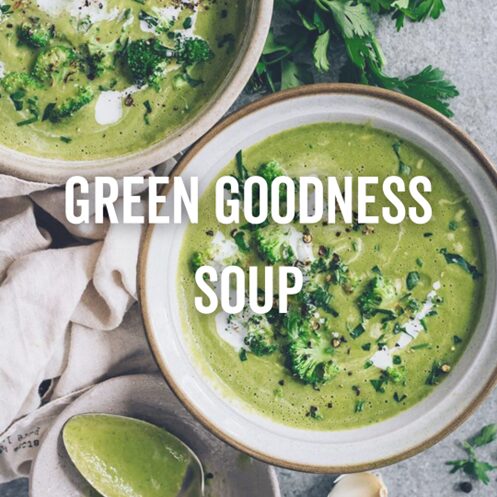
Green Goodness Soup (Serves 6-8)
Ingredients
- 4 cups unsalted bone broth (beef, chicken, or vegetable)
- 1 ½ cups water
- 2 large crowns of Broccoli chopped
- 1 bunch of Kale stemmed and chopped
- 2 large Zucchini chopped
- 3 single stalks of celery diced
- ½ an Onion diced
- 4 cloves of Garlic peeled and crushed
- 1 large handful Parsley chopped
- 1 large handful Cilantro chopped
- ¼ cup Olive oil
- Pink Sea Salt to taste
Instructions
- Warm olive oil in a large pot over medium heat. Add in celery and onion with a pinch of salt and cook until the celery and onion become translucent and aromatic
- Add in zucchini, kale, broccoli, bone broth and water. Make sure that there is enough liquid to come about 1 inch over the veggies. Add about two additional teaspoons of salt (but use your judgment). Bring everything to a boil and then reduce down to a simmer and cook for 10-20 minutes or until the broccoli, kale, and zucchini are soft.
- Turn off the heat and toss in the garlic. Pop on a lid and let the soup sit until it is cool enough to handle, about 10-20 minutes.
- Working in batches, add the soup to a blender along with a small handful of the parsley, cilantro and little pinch of salt in each batch. Blend until creamy. You can also use a hand/immersion blender and blend the soup right in the pot.
- Transfer the soup into a storage container or into a pot and repeat until you have blended all the soup.
Post Cleanse
There’s much more food freedom post-cleanse, however, we recommend that you stick to healthy and whole foods! Eat as many raw or cooked fruits and vegetables as you want to. Healthy, gluten-free whole grains, like quinoa and oats are fair game in addition to complex carbs such as sweet potatoes and squash. Add quality animal products, like organic or pastured meats, eggs, and fish back to your diet. Raw nuts, seeds, nut butter, extra virgin olive oil, beans, and legumes should also be part of a post-cleanse healthy diet.
For at least one week, avoid refined sugars and refined carbohydrates, like bread, cakes, and cookies. Of course, limiting refined sugars and refined carbohydrates in general is also good practice. Other processed foods to steer clear of are processed meats, gums, artificial sweeteners, seed oils, high-fructose corn syrup, and food coloring. The easiest way to do this is by reading food labels!
It’s important to keep drinking cold-pressed juices, even after you cleanse, as part of your weekly regimen to support the body’s recovery, hydration status, and boost nutrients, which can be easy with your neighborhood Clean Juice store. Remember, juicing is not a quick fix but a pathway toward a healthy lifestyle.
Experiencing The Benefits
After a cleanse you may feel refreshed, lighter, and awakened, as if there is more space in your body. Some of the benefits you may experience from cleansing are:
1. Gut Health: In general, cleansing gives the digestive system a break from hard-to-digest foods found in heavily processed diets. Processed foods are full of refined added sugars, preservatives, hydrogenated oils, gums, and other not-so-nourishing ingredients that may hinder your health goals. Fruits and vegetables are loaded with vitamins, minerals, antioxidants, and enzymes that may promote overall gut health and well-being
2. Detoxification: Gentle detoxification may happen through hydration, enzymes, and antioxidants. When cleansing, we drink more fluids than normal. Being properly hydrated allows you to eliminate toxins through urine. Fruits and vegetables are rich in antioxidants, which help to neutralize free radicals in the body. Certain foods such as lemons, beets, and dark leafy greens are known for their antioxidant and detoxifying properties
3. Energy: Juicing may boost energy by providing a concentrated source of nutrients that are quickly absorbed into the bloodstream since they don’t need to be broken down and absorbed by the digestive system. The natural sugars found in fruits and vegetables provide a quick source of fuel, while high water content may help maintain hydration and prevent fatigue. Juices are rich in vitamins like B-vitamins and antioxidants, which may support energy production and protect against oxidative stress. Additionally, the alkalizing effect of green juices may help balance the body’s pH and promote overall vitality!
Let’s get cleansing!
Starting a juice cleanse in the New Year is a great way to reset the body and mind after the holiday season. By nourishing the body with Clean Juice’s fresh, certified organic nutrient-packed juices, you can kickstart health goals and feel revitalized for the year ahead. Once you have your chosen cleanse ready to go, refer back to this article for pre, during, and post cleansing tips and tricks!
Wishing you a happy and healthy 2025,
The Clean Juice Family 😃
Disclaimer: These Statements have not been evaluated by the FDA. The information provided is for information purposes only and is not a substitute for medical advice. Clean Juice products are not intended to diagnose, treat, cure or prevent any disease. Please consult a qualified healthcare practitioner to determine your personal needs.
Sources:
- Henning SM, Yang J, Shao P, Lee RP, Huang J, Ly A, Hsu M, Lu QY, Thames G, Heber D, Li Z. Health benefit of vegetable/fruit juice-based diet: Role of microbiome. Sci Rep. 2017 May 19;7(1):2167. doi: 10.1038/s41598-017-02200-6. PMID: 28526852; PMCID: PMC5438379.
- Panda C, Komarnytsky S, Fleming MN, Marsh C, Barron K, Le Brun-Blashka S, Metzger B. Guided Metabolic Detoxification Program Supports Phase II Detoxification Enzymes and Antioxidant Balance in Healthy Participants. Nutrients. 2023 May 6;15(9):2209. doi: 10.3390/nu15092209. PMID: 37432335; PMCID: PMC10181083.
- Scheiber A, Mank V. Anti-Inflammatory Diets. [Updated 2023 Oct 28]. In: StatPearls [Internet]. Treasure Island (FL): StatPearls Publishing; 2024 Jan-. Available from: https://www.ncbi.nlm.nih.gov/books/NBK597377/
- Thriene K, Stanislas V, Amend L, Strowig T, Michels KB. Assessment of the Gut Microbiota during Juice Fasting with and without Inulin Supplementation: A Feasibility Study in Healthy Volunteers. Foods. 2022 Nov 16;11(22):3673. doi: 10.3390/foods11223673. PMID: 36429265; PMCID: PMC9689797.
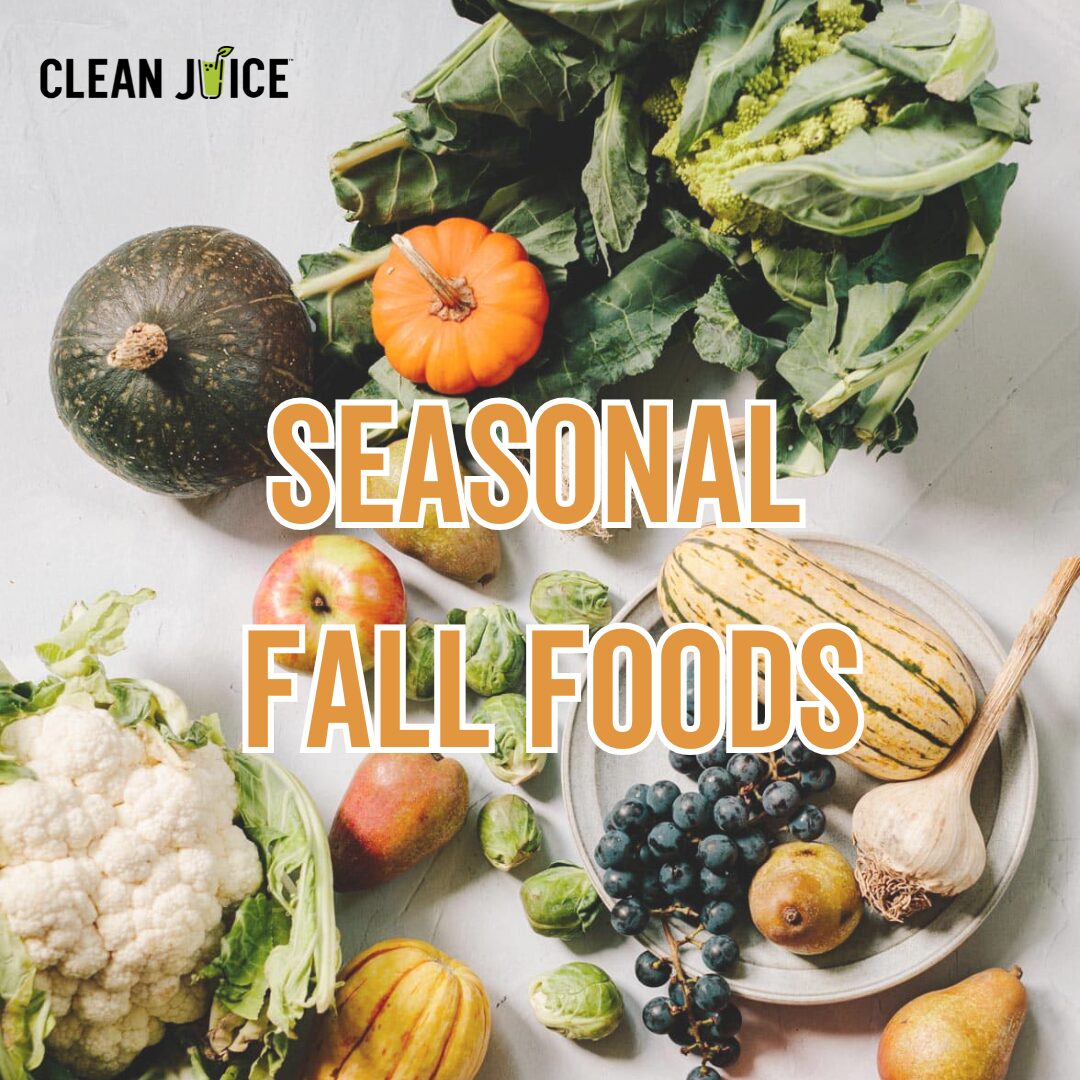
Just like the weather and leaves change with each season, so does the seasonality of certain foods. There is something quite special about how food changes to complement the energy of the season. In the summer we have sweet and hydrating stone fruits, watermelon, and tomatoes. The winter provides citrus rich in vitamin C for the immune system such as oranges, lemons, and grapefruit. The spring brings light fresh vegetables and fruits such as asparagus, spring onions, and berries. However, seasonal fall foods are one of the most reflective of the time of year. Fall fruits and vegetables are grounding, warm, and comforting. It’s the season of root vegetables and the fruit from tress about to lose their leaves for winter. Let’s explore the seasonal foods of fall!
Fall Fruits: Apples, pears, pomegranates, cranberries
Fall Vegetables: Beets, spinach, kale, pumpkin, squash, sweet potatoes, zucchini
While most of these foods are available year-round, there are additional benefits of enjoying them in the fall. Fresh, in-season foods may be more nutrient dense and are harvested at their peak (1). Clean Juice includes several seasonal fall foods on our menu such as apples, beets, spinach, and kale. These are the menu items to try this fall!
The Detoxifying One: Beet, cucumber, apple, celery, ginger
The Intense One: Apple, avocado, coconut water, ginger, kale, lemon, spinach, spirulina
The Green Bowl: Acai blended with spinach, kale, banana, honey, spirulina, almond milk, topped with granola, banana, honey
The foods of fall have numerous health benefits that may support immunity, promote healthy bacteria and diversity in the gut microbiome, and reduce inflammation (1). You may even have a new favorite after learning about each of them!
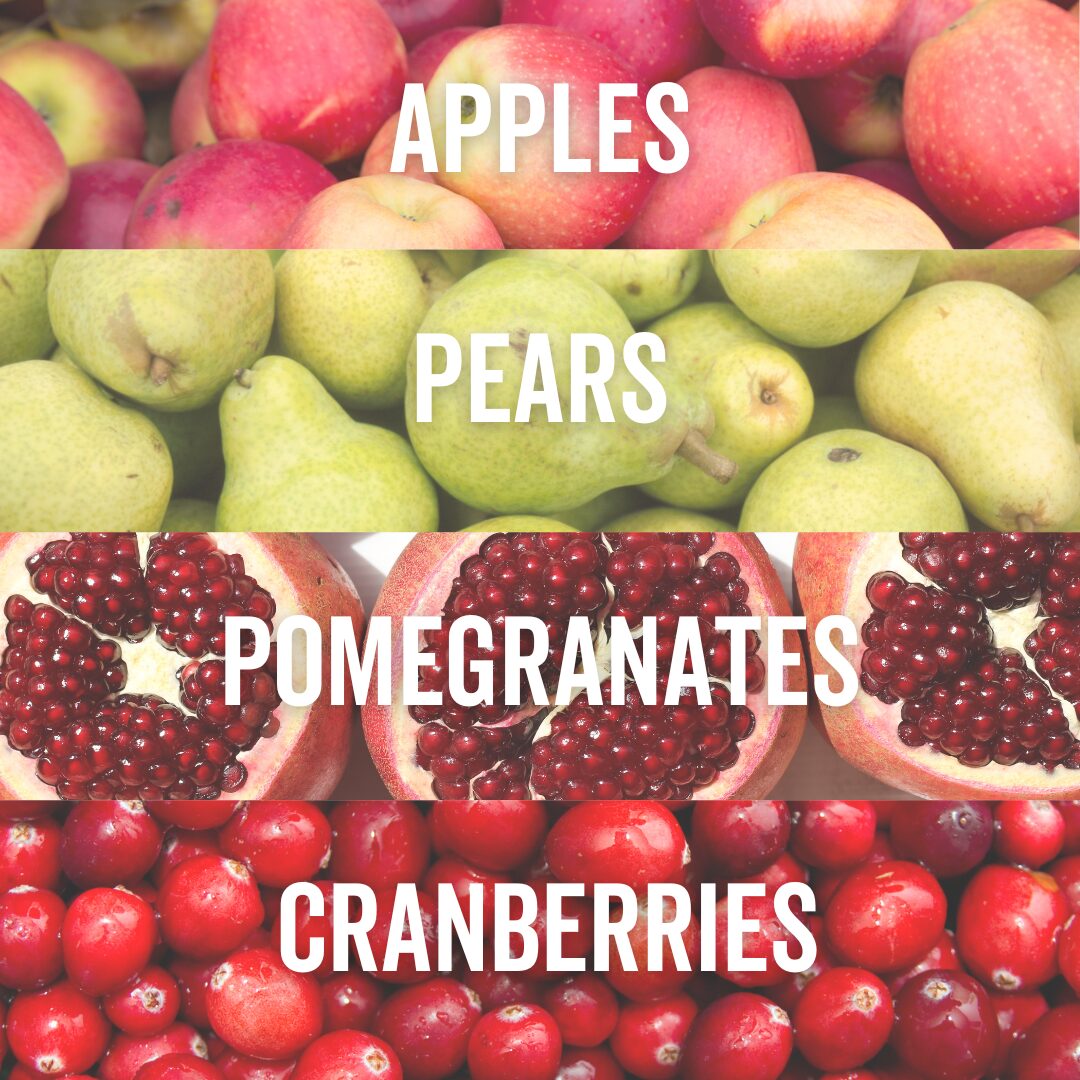
Apples: There are so many types of apples to choose from, but each kind is rich in fiber with 5g per apple, phytonutrients, antioxidants, and prebiotics. Of course, we believe in eating organic, & best practice is to wash your apple before eating and eat the peel! There are additional phytonutrients and pectin found within apple peels that may be beneficial for digestive health. Is there anything better than a crisp delicious apple sprinkled with cinnamon in the fall? (1,2)
Pears: Did you know there are nearly 100 varieties of pears worldwide? Similar to apples, be sure to eat the entire pear if organic! The polyphenols and pectin in the peel are six times higher than those found in the flesh of the pear. Pears are delicious sources of folate, vitamin C, copper, potassium, polyphenol antioxidants, and contain 6g of fiber in just one medium pear (1,2).
Pomegranates: This seedy fruit is often skipped over due to its unconventional appearance. Pomegranates must be cracked open, and the seeds must be scooped out for consumption. You can also buy the seeds frozen or in containers in the produce section of your local grocery store. This tart and sweet fruit contains flavonoids, tannins, lignans, antioxidant and anti-inflammatory properties. One pomegranate contains 11.6g of fiber, 32% of the daily value of vitamin C, and smaller amounts of magnesium, potassium, phosphorus, and folate (2).
Cranberries: When you think of cranberries, you may be thinking of the canned gelatinous sugary ones you eat on Thanksgiving. However, actual cranberries are considered one of the world’s healthiest fruits! Cranberries are rich in antioxidants with 91 micrograms of lutein in one cup, making them much more beneficial in your belly than being used as a holiday decoration. They are more versatile than you think! Cranberries also contain vitamins C and A, folate, beta-carotene, potassium, manganese, and 4.6g of fiber per cup (1,2)
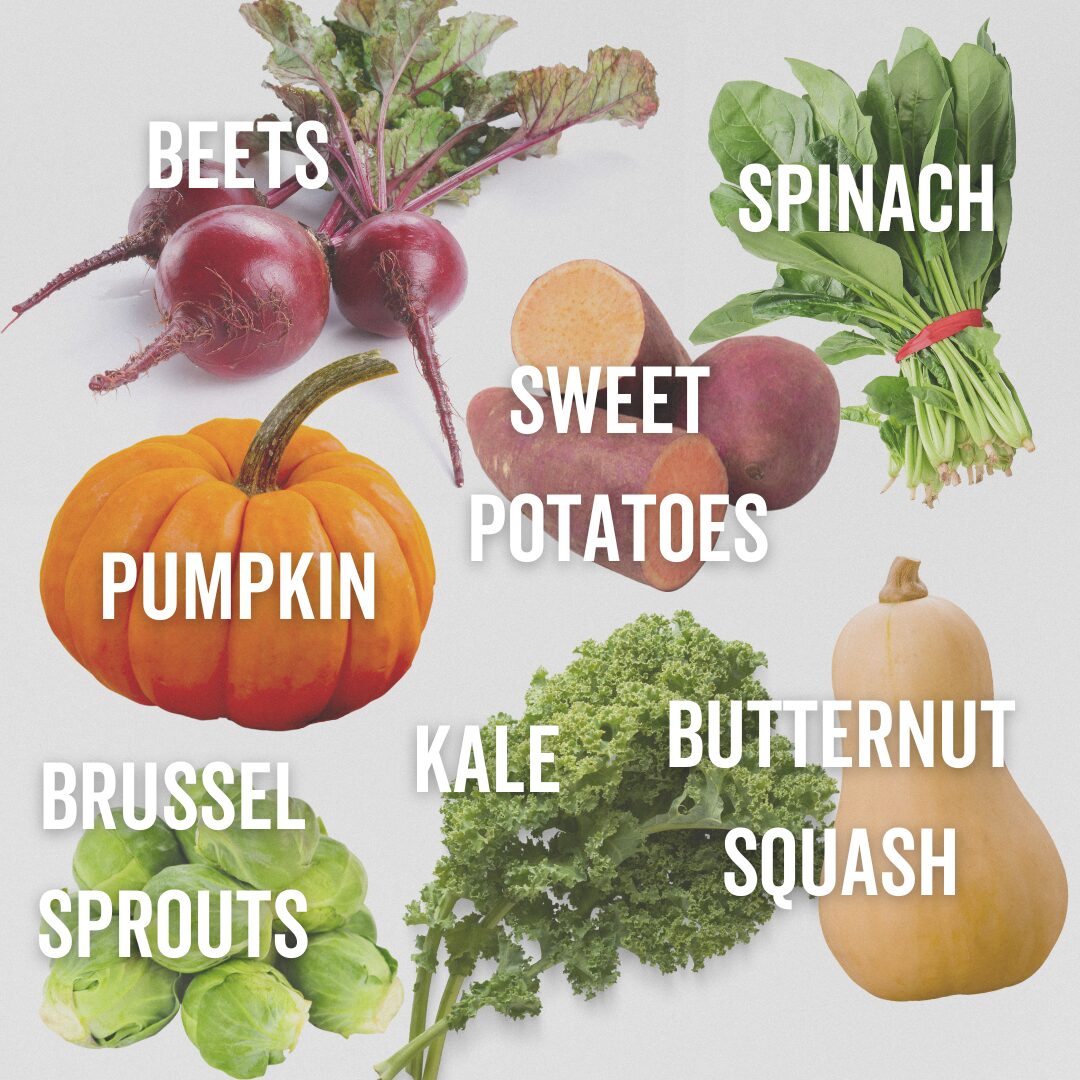
Beets: The deep purple-red color of beets are a sign of their phytonutrient properties and nutrient density. Beets are sweetest during the colder months of the year and are extremely versatile vegetables. They can be steamed, roasted, sauteed, made into soup, or juiced and added to smoothies! Beets contain 3.1g of fiber per 100g, vitamin B6, vitamin C, iron, copper, magnesium, manganese, potassium, and 20% of the daily value of folate. Here’s a tip! The greens at the top of the beet stems are nutritional powerhouses! They can be eaten like any other leafy green such as spinach.
Spinach: This leafy green is a health machine! Spinach is the perfect addition to any meal, whether it be sauteed with dinner, or large handfuls added to your morning smoothies. Just 100g of spinach contains 2.2g of fiber, 67mg calcium, and 460mg of potassium. Spinach also offers nutrients such as vitamin A, C, K, folate, iron, magnesium, and plant compounds such as lutein and quercetin. These leafy greens also contain anti-inflammatory and antioxidant benefits.
Kale: This popular vegetable is actually a member of the cabbage family! With nutty and earthy flavors, kale enhances any recipe it’s added to. As one of the most nutrient dense foods on earth, one cup of kale contains 1g fiber, 68% of the daily value of vitamin K, 22% of the daily value of vitamin C, and other nutrients such as manganese, vitamin A, B2, and calcium. Larger servings also contain folate, B6, potassium, iron, magnesium, and antioxidants. If kale isn’t your thing, try it juiced! Tis’ the season!
Pumpkin & Squash: Fall may be referred to as “pumpkin spice” season, but the actual pumpkin itself, as well its squash family, offer more health benefits than you may think. Pumpkin and fall squash have sweet and nutty flavors, and grounding effects on the body. Orange colored squash such as pumpkin, butternut, honeynut, acorn, and kabocha, are rich in beta-carotene, contain 7g of fiber per cup, magnesium, potassium, 209% of the daily value of vitamin A, 22% of the daily value of vitamin E, vitamin C, and antioxidants.
Sweet potatoes: A favorite of the potato family, the sweet potato is a versatile, nutrient dense food that hits its peak in the fall and winter seasons. However, orange is not the only color sweet potatoes come in. White and purple varieties are also available! Orange sweet potatoes are great sources of beta-carotene, and purple sweet potatoes are rich in polyphenols and flavonoids. In general, a medium cooked sweet potato contains 3.8g fiber, antioxidants, vitamin C, vitamin A, and nearly 700mg of potassium. After being cooked and cooled, they also contain 11% resistance starch, which acts like fiber to escape digestion and feed your friendly gut bacteria!
Brussel Sprouts: These baby cabbages have become increasingly popular and available year-round, however, the fall is their best season. These days, there are hundreds of recipes dedicated to making the brussel sprout delicious. In just a half cup, this vegetable contains 3g of fiber, 91% of the daily value of vitamin K (astonishing!), 53% of the daily value of vitamin C, and 12% of the daily value of folate. Small amounts of B6, potassium, iron, thiamine, magnesium, and phosphorus. This antioxidant and anti-inflammatory vegetable is an excellent side dish for any fall meal!
A systemic analysis across twenty-six studies showed that food consumption of fruits and in the fall and winter months decreased while intake of alcoholic beverages and overall calories increased (4). Knowing what foods are in season can encourage positive changes in eating patterns in the fall while trying new recipes or fruits and vegetables that are less familiar. Increasing fruit and vegetable intake can help create an overall balance in the diet during seasons that have more social holidays.
Food, at its origin, was put on Earth to nourish us. This is just another reason why it changes with the seasons. It’s even believed the promotion and consumption of seasonal foods play an important role in reconnecting us with the foods we eat and provide a deeper understanding of the natural growing and harvesting seasons of food (3).
Fall is one the best seasons for food! Now that you know what foods to look for, you can even try them in a brand-new way such as a fresh pressed juice or smoothie from Clean Juice!
Keep an eye out for our Black Friday offer! 20% OFF ALL of our cleanses! The perfect way to reset after Thanksgiving and start off December feeling your best.
Offer valid for 20% off any CLEAN JUICE® Cold-Pressed Juice Cleanse in-store at participating CLEAN JUICE locations or with online promo code: BLACKFRIDAY24 on Friday, 11/29/2024 thru Monday, 12/1/2024. While supplies last. Product availability by location may vary. Offer cannot be combined with other discounts, offers or coupons. Not valid on third-party delivery. Reproduction or resale is prohibited. No cash value. Limit one discount per transaction per customer. Customer responsible for applicable taxes and gratuity. CLEAN JUICE name, design and related marks are trademarks of CJ Fresh Holdings, LLC © 2024 CJ Fresh Holdings, LLC. All rights reserved.
Here at Clean Juice, we aspire to spread the message of health, wellness, and REAL food to our customers. We hope this newsletter has inspired and motivated you to make new fall food discoveries!
Sources:
- Mayo Foundation for Medical Education and Research. (n.d.). Picked at their peak: The benefits of buying seasonal produce | mayo clinic diet. Mayo Clinic. https://diet.mayoclinic.org/us/blog/2022/picked-at-their-peak-the-benefits-of-buying-seasonal-produce/
- Unites States Department of Agriculture. Fooddata Central. (n.d.-a). https://fdc.nal.usda.gov/index.html
- Macdiarmid JI. Seasonality and dietary requirements: will eating seasonal food contribute to health and environmental sustainability? Proceedings of the Nutrition Society. 2014;73(3):368-375. doi:10.1017/S0029665113003753
- Stelmach-Mardas M, Kleiser C, Uzhova I, Peñalvo JL, La Torre G, Palys W, Lojko D, Nimptsch K, Suwalska A, Linseisen J, Saulle R, Colamesta V, Boeing H. Seasonality of food groups and total energy intake: a systematic review and meta-analysis. Eur J Clin Nutr. 2016 Jun;70(6):700-8. doi: 10.1038/ejcn.2015.224. Epub 2016 Jan 13. PMID: 26757837.